Hedge Trimming in Harold Wood: A Practical, Stylish, and Seasonal Approach to Beautiful Boundaries
Why Hedge Trimming in Harold Wood Matters for Local Homes and Gardens

Hedge trimming in Harold Wood plays a bigger role in garden care than many people first realise. A well-kept hedge does more than frame a property neatly; it helps shape the entire look and feel of a garden, supports healthy plant growth, and can even improve privacy and security. In a busy residential area such as Harold Wood, where front gardens, driveways, and boundary lines are part of everyday first impressions, regular hedge maintenance can make an immediate visual difference.
For homeowners, landlords, and local businesses, hedge trimming in Harold Wood is often one of the simplest ways to keep outdoor spaces looking tidy and controlled. Overgrown hedges can quickly make a property appear neglected, while carefully trimmed hedges create a polished and welcoming appearance. Whether the hedge is small and decorative or tall and structural, consistent trimming encourages dense growth and helps the plant stay manageable throughout the year.
There is also a practical side to hedge care. Neatly maintained hedges reduce the chance of branches spilling onto paths, driveways, and neighbouring boundaries. They can help improve light levels in the garden, prevent hedges from becoming too wide, and make routine maintenance easier. In a place like Harold Wood, where many gardens need to balance style with function, hedge trimming is an important part of responsible garden upkeep.
Understanding the Benefits of Regular Hedge Trimming

Regular hedge trimming in Harold Wood supports the long-term health and appearance of many hedge varieties. Rather than waiting until hedges become unruly, cutting them back at the right time helps shape them evenly and encourages fresh, dense growth. This is especially useful for ornamental hedges, where a clean finish is important, but it also applies to practical boundary hedges used for screening and privacy.
One of the main benefits of hedge trimming is improved plant structure. When hedges are trimmed properly, the outer growth is kept under control while the inner stems continue to receive enough light and air circulation. This can reduce sparse patches and support a fuller, healthier shape. A hedge that is trimmed consistently tends to look more balanced, more attractive, and easier to maintain over time.
Hedge trimming in Harold Wood can also help prevent the sort of overgrowth that leads to bigger, more expensive work later. Left unchecked, hedges can become too tall, too wide, or difficult to shape without heavy reduction. Regular light trimming is usually better than occasional drastic cutting because it keeps the hedge in manageable condition and supports a more natural, stable result.
Key advantages at a glance
- Creates a smart, tidy garden appearance
- Supports dense and healthy hedge growth
- Helps maintain privacy without excessive bulk
- Reduces the chance of encroachment onto paths or borders
- Makes future maintenance simpler and more affordable
Common Hedge Types Found in Harold Wood Gardens
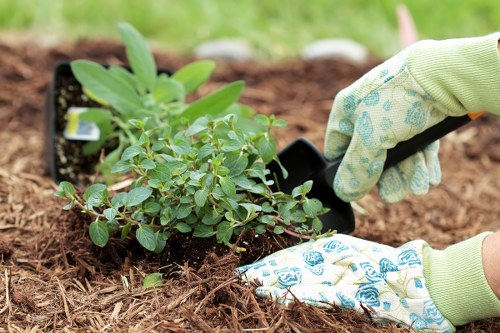
Different hedge species respond differently to trimming, which is why hedge trimming in Harold Wood should always take plant type into account. Some hedges are formal and structured, while others are more relaxed and natural in shape. Understanding the variety in local gardens helps ensure the right cutting approach is used for the right hedge.
Popular hedge types may include laurel, privet, leylandii, yew, beech, hawthorn, and box. Each of these plants has its own growth pattern, density, and seasonal requirements. For example, fast-growing hedges such as leylandii often need more frequent trimming to keep them under control, while slower-growing varieties like yew may only need shaping once or twice a year.
Matching the trimming method to the hedge species is essential. An overly aggressive cut can leave some hedges patchy or stressed, while a careful, regular trim helps preserve shape and encourage fresh growth. In Harold Wood, where many gardens blend decorative planting with practical boundaries, a tailored approach ensures the hedge remains both attractive and suitable for the space.
Typical hedge care considerations by type
- Laurel: Broad leaves, responds well to shaping, may require regular control
- Privet: Fast-growing and ideal for formal lines, benefits from frequent trims
- Leylandii: Very vigorous, needs consistent management to stop excess height and spread
- Yew: Dense and elegant, can be shaped carefully into structured forms
- Beech: Attractive seasonal foliage, trimmed to maintain a neat natural boundary
When to Schedule Hedge Trimming in Harold Wood

Timing matters when it comes to hedge trimming in Harold Wood. Many hedges respond best when trimmed during the right season, and the correct schedule helps protect wildlife, avoid damage, and keep growth under control. While every hedge is different, there are general principles that can help determine when to trim and how often to carry out maintenance.
Spring and late summer are often suitable periods for many hedge species, although some hedges benefit from an additional light trim during the growing season. The best timing also depends on whether the hedge is formal, decorative, or used as a privacy barrier. A hedge that grows rapidly may need more frequent attention than one that naturally holds its shape.
Hedge trimming in Harold Wood should also be planned with local conditions in mind. If a hedge borders a road, pavement, or shared boundary, it may require more regular shaping to keep access clear and maintain a tidy frontage. In addition, weather conditions can influence when trimming is practical; dry, mild days are usually preferred for a cleaner cut and a more comfortable working environment.
Useful seasonal timing pointers
- Spring: Great for encouraging fresh, controlled growth after winter
- Early summer: Suitable for maintaining shape during active growth
- Late summer: Useful for final tidy-ups before slower autumn growth
- Winter: Best approached carefully, especially during frost or nesting periods
Important note
Before trimming any hedge, it is wise to check for signs of birds nesting or active wildlife use. Protecting local biodiversity is an important part of responsible hedge maintenance, particularly in residential gardens where hedges may serve as shelter and habitat.
Professional Hedge Trimming Versus DIY Cutting

Many people enjoy doing garden maintenance themselves, but hedge trimming in Harold Wood can become more complex than it first appears. Small hedges may be manageable with hand tools, but larger, taller, or irregular hedges often require specialist equipment, time, and experience. Choosing between a DIY approach and a professional service usually depends on the size of the hedge, the final finish you want, and the level of safety involved.
DIY hedge cutting can work well for simple shaping and lighter maintenance. However, uneven cuts, missed sections, and poor timing can all affect the outcome. A professional approach is often preferred when hedges are high, wide, or difficult to access. It can also be a better choice when the hedge forms an important part of the property’s appearance or when consistent lines are needed across multiple boundaries.
In practical terms, hedge trimming in Harold Wood is about more than cutting branches. It involves assessing growth, protecting the hedge’s health, keeping the shape uniform, and ensuring the surrounding area remains safe and tidy. That is why many homeowners choose experienced help for more demanding jobs, especially where a precise finish is important.
DIY may suit:
- Small ornamental hedges
- Low maintenance shaping work
- Routine light trims
- Simple front garden borders
Professional help is often better for:
- Tall or dense hedges
- Large boundary screening
- Hedges near driveways, roads, or pavements
- Neat formal shaping and consistent lines
- Overgrown hedges needing restoration
How Hedge Trimming Improves Garden Design in Harold Wood
Garden design often depends on clean structure, and hedge trimming in Harold Wood can transform an outdoor space by reinforcing that structure. Hedges naturally draw the eye, define borders, and help separate different areas of the garden. When trimmed well, they create a sense of order and balance that complements lawns, flowerbeds, patios, and pathways.
Formal hedges are often used to create straight lines and strong visual edges, while softer, lightly shaped hedges can help a garden feel more relaxed and natural. In both cases, hedge trimming is the tool that maintains the intended look. It helps ensure that a hedge supports rather than overwhelms the rest of the planting scheme.
A neatly trimmed hedge can also make a smaller garden feel more spacious. By preventing overgrowth and keeping the hedge within its intended boundary, more light reaches the rest of the garden. This can improve the growing conditions for surrounding plants and create a cleaner, more open appearance overall.
Design benefits include
- Sharper boundary definition
- Better balance between hard landscaping and planting
- Improved access and visibility
- Greater kerb appeal for front gardens
- A more intentional, finished look
Safety, Access, and Property Boundaries
One of the less glamorous but highly important reasons for hedge trimming in Harold Wood is safety. Overgrown hedges can reduce visibility near driveways, obscure pathways, and make access more difficult. This matters not only for homeowners but also for visitors, delivery drivers, and anyone using shared access points.
Boundary hedges can sometimes grow beyond the edge of a property, which may create friction with neighbours or restrict movement along a path. Keeping hedges trimmed helps avoid encroachment and supports a clear, well-defined boundary line. In neighbourhoods with close-set properties, this sort of routine maintenance contributes to a more pleasant and orderly streetscape.
Safety also applies to the trimming process itself. Cutting tall hedges often involves ladders, power tools, and careful handling of branches. Without the right technique, the work can become risky. That is another reason many residents prefer experienced hedge trimming support, especially for demanding or elevated work.
Safety-related reasons to trim regularly
- Maintains clear sightlines for pedestrians and drivers
- Prevents branches from obstructing entrances or gates
- Reduces trip hazards along pathways
- Helps keep neighbouring properties accessible
- Minimises the risk of hedge-related clutter and debris
What a Good Hedge Trimming Service Should Focus On
When people look for hedge trimming in Harold Wood, they usually want more than a quick cut. A good service should focus on appearance, plant health, and practical results. That means trimming with care, respecting the natural growth pattern, and leaving the hedge looking neat without causing unnecessary stress to the plant.
The best results often come from a methodical approach. This includes checking the hedge from different angles, removing uneven growth, shaping the top and sides consistently, and clearing away all clippings afterwards. A tidy finish is important because it helps the hedge look finished rather than just cut back.
Attention to detail makes a clear difference. A hedge that is trimmed too bluntly may look harsh or unnatural, while a carefully shaped hedge keeps a softer and more professional appearance. For many properties in Harold Wood, that level of finish can improve the entire look of the front garden or boundary line.
Features of quality hedge trimming
- Even shaping across the full length of the hedge
- Proper attention to hedge height and width
- Careful treatment of the plant’s natural form
- Clean-up of clippings and debris after the work
- Respect for adjacent planting and property boundaries
Handling Overgrown Hedges in Harold Wood
Overgrown hedges are common in busy households where garden jobs get delayed, but they should not be left too long. Hedge trimming in Harold Wood can often restore control, though the right method depends on how far the hedge has grown beyond its intended size. Some hedges can be brought back into shape with a steady reduction plan, while others may need a more careful staged approach.
When a hedge has become very dense or tall, the aim should not always be to remove everything in one go. A gradual method often gives better long-term results and reduces the risk of exposing bare sections. In many cases, an overgrown hedge can be improved through a combination of shaping, thinning where appropriate, and selecting the right time of year for the work.
Patience matters with restoration trimming. The most dramatic cuts are not always the best solution, especially if the hedge is intended to provide privacy, shelter, or a soft natural boundary. A thoughtful approach can turn an untidy hedge into one that looks controlled, balanced, and healthy again.
Signs a hedge may need attention soon
- Branches spill onto paths or driveways
- The hedge has become too wide for the available space
- Light is being blocked from the garden
- The top is uneven or lopsided
- Neighbouring boundaries are starting to be affected
Why Consistency Matters More Than Occasional Heavy Cutting
Consistency is one of the most important principles in hedge trimming in Harold Wood. Regular light maintenance usually produces a better result than waiting for a hedge to become severely overgrown and then cutting it back hard. Consistent trimming helps preserve the intended shape, supports healthy growth, and keeps the hedge easier to manage through the seasons.
From a visual point of view, consistent hedge care also keeps the garden looking maintained all year round. Even modest trims can make a substantial difference if they are carried out at the right intervals. This is especially helpful for properties where the hedge is highly visible from the street or forms part of a front garden display.
Regular trimming also saves time in the long run. Smaller jobs are usually quicker, cleaner, and easier to complete than large restoration cuts. That makes routine hedge maintenance a sensible choice for homeowners who want good results without unnecessary disruption.
Long-term benefits of regular maintenance
- Better hedge shape retention
- Healthier, denser foliage
- Reduced risk of major corrective work
- More attractive property presentation
- Improved ease of upkeep over time
Choosing the Right Finish for Your Hedge
Not every hedge should be trimmed to the same style. Hedge trimming in Harold Wood can be tailored to suit formal gardens, family homes, rental properties, and decorative outdoor spaces. The right finish depends on the purpose of the hedge and the look you want to achieve. Some people prefer crisp, straight edges, while others like a softer, more natural outline.
Formal hedges usually benefit from level tops and straight sides, creating a clean architectural feel. By contrast, informal hedges may only need shaping to remove uneven growth and keep the plant within its space. The finish should always suit the hedge species and the overall character of the garden, not force it into an unsuitable shape.
A good finish should look intentional. Whether the hedge is used for privacy, decoration, or boundary definition, a well-executed trim should make it look balanced and confident. That is one of the reasons hedge trimming in Harold Wood remains such an important part of wider garden care.
Common finish styles
- Formal finish: Straight, neat lines for a polished appearance
- Natural finish: Soft shaping that respects the hedge’s growth pattern
- Privacy finish: Dense, even sides with controlled height
- Front garden finish: Decorative and welcoming, with strong kerb appeal
Making Hedge Trimming Part of a Wider Garden Routine
Hedge trimming in Harold Wood works best when it is treated as part of regular garden maintenance rather than a stand-alone task. Hedges often influence the rest of the outdoor space, so keeping them in good shape can make mowing, planting, and general tidying easier too. A well-managed hedge helps the whole garden feel more organised.
Many homeowners find it useful to pair hedge care with other seasonal tasks such as pruning shrubs, weeding borders, and clearing leaves. This keeps the garden under control and prevents small jobs from building up into major ones. It also ensures the hedge continues to support the overall appearance of the property throughout the year.
If you want your garden to look sharp, hedge trimming should never be left to chance. A regular schedule, the right technique, and attention to the hedge’s species can make a substantial difference. For anyone seeking a smarter, tidier outdoor space, hedge trimming in Harold Wood remains one of the most effective ways to achieve it.
Simple routine tips
- Inspect hedges regularly for uneven growth
- Trim lightly before they become too large
- Keep tools clean and suitable for the hedge type
- Watch for nesting birds and wildlife activity
- Book professional support when the hedge becomes hard to manage
Book your service now if your hedge is beginning to lose its shape, reduce light, or encroach on nearby spaces. Contact us today to keep your garden looking smart, tidy, and well cared for with reliable hedge trimming in Harold Wood.