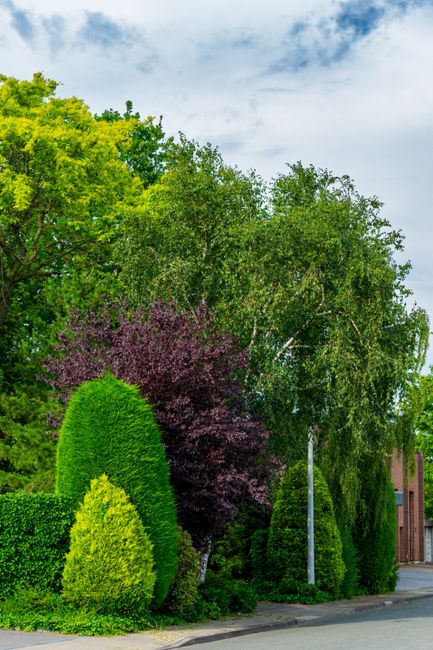
Commercial gardeners for Harold Wood shops and offices
Shops and offices in Harold Wood do not need flashy landscaping to make a strong first impression. What they need is something far more reliable: neat planting, tidy edges, healthy lawns, safe access routes, and outdoor spaces that quietly do their job every day. That is exactly where commercial gardeners for Harold Wood shops and offices come in.
If you manage a small parade of retail units, a business park entrance, or a single office with a front forecourt, you already know the problem. Plants grow faster than expected, weeds appear at the worst possible moment, and a patchy border can make an otherwise well-run business look a bit tired. The right commercial gardening support keeps all of that under control without turning your team into part-time landscapers. And to be fair, nobody wants that.
This guide explains what commercial gardening actually involves, how it works in practice, why it matters for local businesses, and what to look for when choosing a service. You will also find a checklist, a comparison table, and practical tips for keeping your site presentable through the year.
Why Commercial gardeners for Harold Wood shops and offices Matters
A business exterior works hard before anyone steps inside. A clean frontage suggests order. Healthy planting gives a sense of care. Clear paths, trimmed hedges, and weed-free beds reduce that slightly neglected feeling that can creep in after a few wet weeks and one too many busy Mondays.
For Harold Wood shops and offices, commercial gardening matters for three practical reasons. First, it protects presentation. Customers, clients, tenants, and staff all notice the site before they notice the reception desk. Second, it supports safety. Overgrown shrubs, slippery paving, and blocked sightlines are not just untidy; they can become genuine headaches. Third, it saves time. A business owner or facilities manager should not be spending lunch breaks pulling weeds from a car park border. Let's face it, there are better uses for your afternoon.
There is also a quieter benefit that people often underestimate: consistency. A one-off tidy-up can make a site look good for a week. Regular commercial maintenance keeps it looking controlled month after month, which is what most businesses really need.
If your outdoor space has mixed needs, it may help to look at related services such as routine garden maintenance, lawn care, or patio cleaning for hard-standing areas that pick up moss and grime. These services tend to work best together rather than in isolation.
How Commercial gardeners for Harold Wood shops and offices Works
Commercial gardening usually starts with a site review. A gardener looks at access points, the condition of lawns and borders, the type of planting already in place, and any recurring trouble spots. That might include weeds along edges, hedge overgrowth, poor drainage, or a neglected courtyard that has become more storage space than green space.
From there, the work is usually planned around the property's needs and the season. Retail sites often need frequent tidy-ups, especially around entrances and customer-facing areas. Offices may need a more balanced schedule: enough upkeep to stay professional, without unnecessary disruption to staff or visitors.
In practice, the service can include:
- grass cutting and edging
- hedge trimming and reshaping
- weed removal and bed maintenance
- shrub pruning and deadheading
- leaf clearance in autumn
- pressure-free, non-disruptive work around opening hours
- seasonal planting or refreshes
- support for entrances, walkways, and staff outdoor areas
Some sites need more than maintenance. If a business exterior is tired, patchy, or awkwardly laid out, a broader landscaping plan may be the smarter route. Likewise, if boundary security or screening is part of the brief, fencing solutions may sit alongside planting rather than replace it.
For properties with large trees or branches encroaching on light, signage, or sightlines, specialist tree surgery can be relevant too. Not every site needs it, but when it does, it tends to be obvious. A narrow forecourt under heavy canopy is one of those situations.
Key Benefits and Practical Advantages
Good commercial gardening is not just about looking nice. It has practical, operational value. That is the bit that gets missed when people think it is all hedge clippers and flowerbeds.
- Better first impressions: A tidy frontage tells customers and visitors that the business pays attention to detail.
- Reduced slip and trip risks: Clear paths, controlled growth, and properly maintained surfaces help keep access safer.
- Lower internal workload: Staff can focus on work instead of chasing weeds, litter, and fallen leaves.
- Seasonal resilience: Regular care helps planting cope with dry spells, wind, and winter damage.
- Longer life for planting schemes: Pruned, mulched, and correctly watered plants usually perform better than neglected ones.
- Better use of space: Small office courtyards and retail forecourts can be made more welcoming, even if they are compact.
There is also a financial logic to regular upkeep. Small issues are easier and cheaper to manage early. A hedge that is trimmed on schedule is far less troublesome than one that has been left to take over the pavement and needs corrective work. The same goes for lawns, weeds, and planting beds.
A lot of businesses ask whether a few shrubs and a lawn really matter. Short answer: yes. A neat, green perimeter softens hard architecture, makes the whole site feel calmer, and gives people a reason to pause rather than pass by. In busy retail areas, that can make a real difference.
Who This Is For and When It Makes Sense
Commercial gardening is a fit for more businesses than people realise. It is not just for large office campuses or shopping centres with big budgets. Smaller sites often need it most, because they have less internal capacity to keep things polished.
This service is especially useful for:
- independent shops with planters, front beds, or a small frontage
- offices with shared entrances or reception gardens
- businesses with landlord-managed outdoor areas that still need a consistent appearance
- medical, professional, or client-facing premises where presentation matters
- commercial units with staff areas that benefit from clean, usable outdoor space
- properties where in-house maintenance teams are stretched thin
It usually makes sense when one or more of the following is true:
- the site looks untidy between internal cleans or building visits
- weeds keep returning in paths or planting beds
- hedges block windows, signage, or access
- staff have been quietly handling grounds work without enough time or equipment
- seasonal growth keeps getting ahead of the schedule
A small office courtyard with a couple of planters may only need periodic attention. A shopfront with lawns, borders, and loading access may need a more structured plan. Different sites, different pace. That part matters.
Step-by-Step Guidance
If you are considering commercial gardeners for Harold Wood shops and offices, it helps to approach it methodically rather than just saying, "the front looks a bit rough, sort it out." A clear brief saves time and gets better results.
- Walk the site with fresh eyes. Note what a customer would see first, what staff use every day, and what tends to get ignored. Look at entrances, edges, corners, planter beds, and any access routes.
- Separate urgent from cosmetic work. Safety issues, blocked access, and overgrown hedging come before decorative improvements. A nice display is welcome, but the practical stuff comes first.
- Decide the maintenance frequency. Some sites need weekly attention in peak growing months. Others are better on a fortnightly or monthly cycle. There is no magic number.
- Choose the right scope of work. You might need mowing, pruning, weed control, sweeping, planting, or broader improvements. A flexible plan is usually better than an oversized one.
- Build in seasonal adjustments. Spring growth, summer watering, autumn leaf clearance, and winter tidy-ups all demand different tasks.
- Review after the first few visits. If one area keeps slipping behind, adjust the schedule. That is normal. Real sites are messy, not textbook-perfect.
If you want to understand the kinds of outdoor upgrades that support a commercial space, it is worth browsing ideas like seating area ideas, vertical planting, or low-maintenance garden approaches. They are not blueprints for every business, but they help shape practical thinking.
Expert Tips for Better Results
Over time, the best commercial sites tend to share a few habits. Nothing dramatic. Just smart, consistent choices.
- Keep planting simple. In most commercial settings, reliable structure beats fussy displays. Strong evergreens, tidy borders, and durable ground cover often perform better than delicate planting.
- Use the right plants for the site. Sunny entrance? Shaded side passage? Windy corner? The planting should fit the conditions, not the other way around.
- Make maintenance easy on purpose. A layout that looks impressive but takes constant rescue work is a false economy.
- Think in sightlines. Keep windows, signs, paths, and entrance features visible. If the planting hides the business, it is working against you.
- Plan for fast growth. A hedge or border can look lovely in May and slightly unruly by July. That happens. Build for it.
- Protect the soil. Healthy soil makes every other part easier. Mulch, organic matter, and sensible watering go a long way.
One useful trick is to treat the site like a living display rather than a one-off job. That sounds obvious, but many businesses still think of gardening as a spring refresh only. In reality, the same forecourt can look excellent in February if it is looked after properly. A little care in dull weather makes the bright months look better too.
For properties exposed to challenging weather, articles such as managing wind and protecting plants from severe weather can be a helpful reminder that weather planning matters even in commercial settings. It really does.
Common Mistakes to Avoid
A lot of commercial outdoor spaces go wrong for the same reasons. The good news is that most of these mistakes are avoidable once you know what to look for.
- Ignoring maintenance until the site looks bad. By then, the work is usually more expensive and more disruptive.
- Overplanting small spaces. Crowding beds near entrances can make them look messy very quickly.
- Using the wrong species. A plant that thrives in a sheltered garden might sulk beside a windy shopfront.
- Forgetting about weeds. They have a talent for showing up exactly when a manager is on a tight schedule. Very considerate of them.
- Not planning for access. Bins, delivery routes, and pedestrian entry points all need room to function.
- Trying to do everything in-house. Some tasks are fine for internal teams. Others, especially regular grounds care, are better handled by specialists.
Another common issue is treating the outdoors as an afterthought. Businesses spend time on branding, flooring, lighting, and signage, then leave the front border to fend for itself. The outside sets the tone. It should not be left to chance.
Tools, Resources and Recommendations
Professional commercial gardeners usually bring a mix of hand tools, powered equipment, and site-safe materials suited to the property. The exact kit depends on the brief, but the principle is always the same: use the right tool so the job is clean, efficient, and safe.
For business owners or managers trying to understand what quality work looks like, these categories are useful:
- Cutting and trimming tools: for hedges, shrubs, and edging
- Mowing equipment: for regular lawn upkeep and better presentation
- Hand-weeding and border tools: for close-up detail around entrances and beds
- Clearing equipment: for leaves, debris, and seasonal tidy-ups
- Soil improvement materials: compost, mulch, and feed where appropriate
- Safety gear: gloves, eye protection, sturdy footwear, and appropriate visibility where needed
If you are unsure what the right maintenance package should include, it can help to review service pages such as lawn mowing, hedge trimming in Harold Wood, and lawn care. Those services cover a large share of routine commercial needs and make scoping much easier.
For broader business confidence, you may also want to understand the provider's approach to health and safety, insurance and safety, and payment and security. That is not glamorous, admittedly, but it is part of choosing a proper professional setup.
Law, Compliance, Standards, or Best Practice
Commercial gardening for shops and offices is not just a matter of looks. In the UK, businesses have to think about safety, access, and sensible site management. You do not need to turn the whole thing into a legal exercise, but it is wise to stay grounded in best practice.
In practical terms, that means:
- keeping access routes clear and free from avoidable obstruction
- managing vegetation so it does not create trip hazards or block sightlines
- using appropriate equipment and safe working methods
- considering the impact of work on staff, visitors, and customers
- making sure maintenance visits are planned around opening hours where possible
Where contractors are involved, it is sensible to ask about public liability cover, risk assessment practices, waste handling, and how they manage work around pedestrians or vehicles. That kind of conversation is normal, not awkward.
If your site has a shared entrance, a customer car park, or direct pavement frontage, tidy upkeep can also support a better duty-of-care culture. A professional service should be able to explain how it works around live business environments without causing disruption. If that explanation is vague, that is usually a sign to keep asking questions.
For more background on how a professional provider frames its responsibilities, pages like terms and conditions, modern slavery statement, and accessibility statement can also tell you something about a company's standards and how seriously it treats governance. Not the fun part, no, but definitely the grown-up part.
Options, Methods, or Comparison Table
There is more than one way to manage commercial outdoor areas. The best choice depends on the property, the budget, and how much internal time you really have.
| Approach | Best for | Pros | Trade-offs |
|---|---|---|---|
| Ad hoc call-outs | Occasional tidy-ups or one-off problems | Flexible, useful for urgent fixes | Appearance can drift between visits |
| Scheduled maintenance | Shops and offices that need a steady standard | Consistent, predictable, easier to budget | Requires regular planning |
| Full grounds management | Larger or more complex sites | Broad coverage, fewer gaps, strong continuity | Usually the most involved option |
| Hybrid internal and external care | Sites with some in-house capability | Cost-efficient if responsibilities are clear | Can become messy if roles overlap |
If you are unsure which route fits your site, the safest approach is usually a scheduled plan with room for seasonal extras. That is often the sweet spot for Harold Wood businesses: enough structure to stay tidy, enough flexibility to handle whatever the weather throws at you. And in the UK, it will throw something at you sooner or later.
Case Study or Real-World Example
Consider a small office with a front strip of lawn, two planting beds, and a side path used by staff and visitors. In spring, the lawn starts to thicken, the beds fill with weeds, and the hedge near the entrance grows just enough to soften the signage. Nothing is disastrous. It just looks a bit behind.
The business arranges a regular commercial gardening plan. The first visit clears the weeds, trims the hedge, edges the lawn, and tidies the borders. A second visit a few weeks later keeps the growth in check and removes the early signs of seasonal sprawl. By midsummer, the entrance looks balanced again rather than overgrown.
The nice part is that nobody had to panic. Staff did not have to be pulled away from their actual jobs, and the office avoided the awkward "we meant to get to that" look that can hang around for weeks. It is a small example, but it is a familiar one. A good exterior rarely shouts. It just makes the whole place feel looked after.
That same logic applies to retail settings. A shopfront with clean edges, controlled planting, and a tidy approach path feels easier to trust. Not because customers consciously analyse it, but because they do not have to. The site already does the reassuring work.
Practical Checklist
Use this checklist before booking or reviewing commercial gardeners for Harold Wood shops and offices.
- Have you identified the most visible problem areas?
- Do you know whether you need one-off work or ongoing maintenance?
- Are entrances, paths, and signage kept clear?
- Do you need mowing, hedge trimming, weeding, or planting?
- Have seasonal tasks been considered?
- Is the site's access straightforward for tools and waste removal?
- Have you checked that safety and insurance questions are covered?
- Do you need broader improvements such as landscaping or fencing?
- Are there any time restrictions because of customers, deliveries, or staff shifts?
- Have you reviewed how the work will be reported or monitored over time?
Expert summary: The best commercial gardening for shops and offices is not the most dramatic. It is the work that stays dependable, fits the site, and quietly improves how the business is seen every single week.
Conclusion
Commercial gardens only succeed when they help the business, not distract from it. For Harold Wood shops and offices, that means neat, practical, low-fuss outdoor spaces that support presentation, safety, and everyday confidence. A good gardener will not try to turn a retail frontage into a show garden. They will keep it tidy, sensible, and well matched to the property.
That is the real value here: less worry, fewer surprises, and a site that feels looked after without constant attention from your team. If your frontage, courtyard, or office grounds have started to drift, now is usually the right time to reset the standard rather than wait for the next seasonal mess.
Get a free quote today and see how much you can save.
When the outside is calm and cared for, the inside tends to feel that way too. Funny how that works, but it does.
Frequently Asked Questions
What do commercial gardeners do for shops and offices?
They handle the routine care that keeps business outdoor spaces presentable and safe. That can include mowing, hedge trimming, weed control, pruning, seasonal clearance, planting refreshes, and general tidying around entrances and paths.
How often should a shop or office garden be maintained?
It depends on the size of the site, plant choice, and how visible the area is. Some properties need weekly attention in the growing season, while others work well on a fortnightly or monthly schedule. A site visit usually makes the answer clearer.
Is commercial gardening worth it for a small business?
Usually, yes. Small businesses often benefit most because they rarely have spare time or staff to manage the outdoor area properly. Even a small frontage can look much better with regular care.
What should I ask before hiring a gardener for my office site?
Ask about the proposed maintenance schedule, the tasks included, safety procedures, insurance, how waste is handled, and whether the work can be arranged around opening hours. Clear answers are a good sign.
Can commercial gardeners work around customers and staff?
Yes, they should be able to plan work with minimal disruption. Good scheduling and sensible tool use make a big difference, especially at busy entrances or shared access points.
Do commercial gardeners only do lawns and hedges?
No. Many also manage planting beds, weeds, borders, courtyards, paving edges, seasonal displays, and wider improvement work. Some properties need broader landscaping support too.
What is the difference between garden maintenance and landscaping?
Garden maintenance keeps an existing outdoor area tidy and healthy. Landscaping usually involves bigger changes to layout, structure, hard surfaces, or planting design. They often work together, but they are not the same thing.
How can I keep a business frontage looking good all year?
Use a regular maintenance plan, choose durable plants, keep weeds under control, and adjust the schedule with the seasons. Autumn leaves, winter debris, spring growth, and summer dry spells all need different responses.
Do I need to worry about safety and insurance?
Yes, it is sensible to. Any work near customers, staff, vehicles, or public access points should be handled carefully. Ask how the contractor manages risk, equipment use, and site safety before work begins.
What if my office courtyard is tiny?
Small spaces can still benefit a great deal from professional care. In fact, compact courtyards often look better faster because every detail is visible. Simple planting, clean edges, and smart container choices can go a long way.
How do I know if I need regular visits or just one-off help?
If growth keeps returning, the site gets untidy quickly, or the area is highly visible to the public, regular visits are usually the better fit. One-off help makes more sense for a seasonal tidy or a sudden problem that needs sorting once.
Can commercial gardening help with customer impressions?
Absolutely. The outside of a shop or office is part of the customer experience. A neat, cared-for frontage feels more welcoming and can make the whole business look more reliable, even before anyone speaks to your team.
Where should I start if I want to improve my business grounds?
Start with a walkaround and note the most visible problems first. Then decide whether you need maintenance, mowing, pruning, planting, or a broader plan. If you are unsure, getting professional advice early usually saves time later.